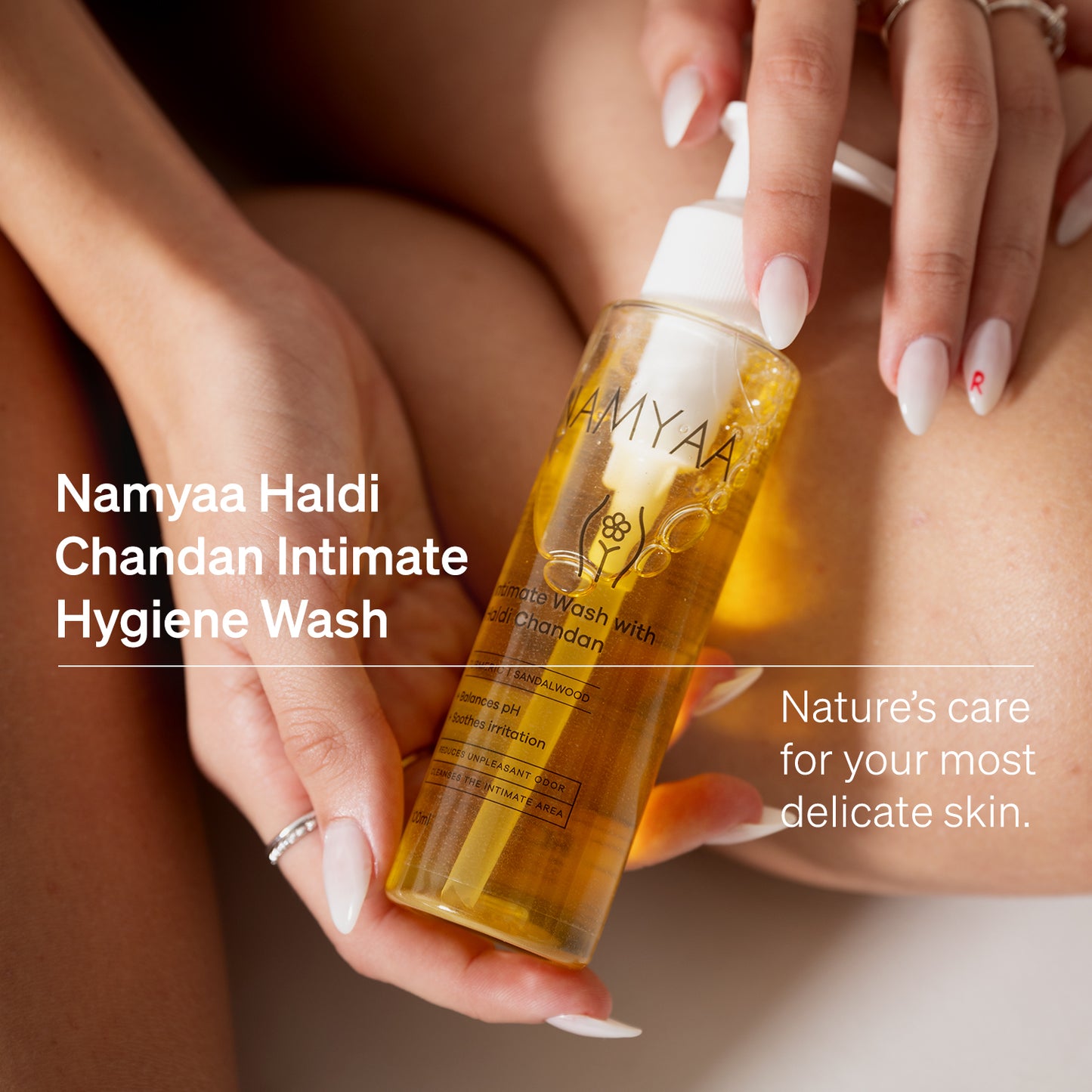
Q: How do you maintain intimate hygiene for women daily?
A: Wash the external vulva once daily using lukewarm water and a mild, pH-balanced cleanser. Avoid douching and harsh soaps.
Q: Is it safe to wash inside the vagina?
A: No. The vagina is self-cleaning and does not require internal washing.
Q: Can intimate wash be used every day?
A: Yes, if it is gentle and designed for external use only.
Q: Why do I feel irritation after washing?
A: Irritationa may occur due to harsh soaps, fragrance sensitivity, or overwashing.

Q: Is intimate wash better than soap for daily hygiene?
A: Intimate wash is generally safer for daily hygiene because it is formulated to match the natural pH of the vulva and reduce irritation risk.
Q: Can soap cause irritation in the intimate area?
A: Harsh soaps and strong fragrances can disrupt the natural pH balance and cause dryness or irritation.
Q: How often should you use intimate wash?
A: Most people can use a mild intimate wash once daily during bathing.
Q: Should intimate wash be used internally?
A: No. Intimate wash should only be used on the external vulva and never inside the vagina.
Q: Do you really need an intimate wash?
A: Not everyone needs an intimate wash. Many people maintain hygiene with water and gentle cleansing, while others prefer intimate washes for additional comfort.
Q: Can intimate wash be used every day?
A: Some gentle intimate washes are designed for daily external cleansing.
Q: Is soap safe for the intimate area?
A: Regular soaps may sometimes irritate sensitive skin around the intimate area.
Q: Should intimate wash be used inside the vagina?
A: No, intimate washes should only be used externally on the vulva.
Q: Can intimate wash help with odour?
A: Gentle cleansing may help remove sweat and bacteria that contribute to odour.
Q: Who should avoid intimate wash?
A: People who experience irritation or ingredient sensitivity may prefer cleansing with water only.
Q: Is intimate wash better than soap?
A: Intimate washes are formulated for sensitive skin, but whether they are necessary depends on individual preference.
Q: Can intimate wash prevent infections?
A: Intimate washes are cleansing products and not treatments for infections.
Q: How long does intimate wash take to work?
A: Most people feel fresh immediately, while comfort improvements appear within 3–7 days.
Q: Can I use intimate wash daily?
A: Yes, once daily is generally safe for external use.
Q: Why am I not seeing results from intimate wash?
A: Possible reasons include incorrect usage, overuse, or underlying conditions.
Q: Is intimate wash better than soap?
A: Yes, because it is pH-balanced and gentler for sensitive areas.
Q: Can intimate wash reduce odor permanently?
A: It helps manage odor, but consistency and hygiene habits are key.
Q: Is intimate wash safe for sensitive skin?
A: Yes, if it is mild, pH-balanced, and used correctly.
Q: Why do I have intimate odour even after bathing?
A: This can happen due to pH imbalance, sweat buildup, or using harsh soaps that disrupt natural balance.
Q: Can diet affect intimate odour?
A: Yes, hydration and diet can influence body odour, including intimate areas.
Q: Why does intimate odour get stronger after periods?
A: Hormonal changes during menstruation can temporarily affect vaginal pH and odour.
Q: Is intimate odour normal?
A: Mild odour is normal. Strong or unusual odour may need attention.
Q: Can shaving cause intimate odour?
A: Improper shaving can lead to ingrown hair and irritation, which may contribute to odour.
Q: How often should you use an intimate wash?
A: Once daily is usually sufficient for maintaining hygiene.
Q: Is soap bad for intimate areas?
A: Regular soaps can disrupt pH balance and may lead to irritation or odour over time.
Q: What are the most common intimate itching causes?
A: Sweat, irritation, harsh products, infections, and pH imbalance.
Q: Can soap cause intimate itching?
A: Yes, soap can disrupt natural pH and lead to irritation.
Q: How often should I clean the intimate area?
A: 1–2 times daily is sufficient.
Q: Is intimate wash safe for daily use?
A: Yes, if it is gentle and pH-balanced.
Q: Can tight clothes cause itching?
A: Yes, they trap moisture and increase friction.
Q: When should I see a doctor for itching?
A: If symptoms are persistent, severe, or accompanied by discharge or pain.
Q: Can sweating cause intimate itching?
A: Yes, trapped moisture can lead to fungal growth and irritation.