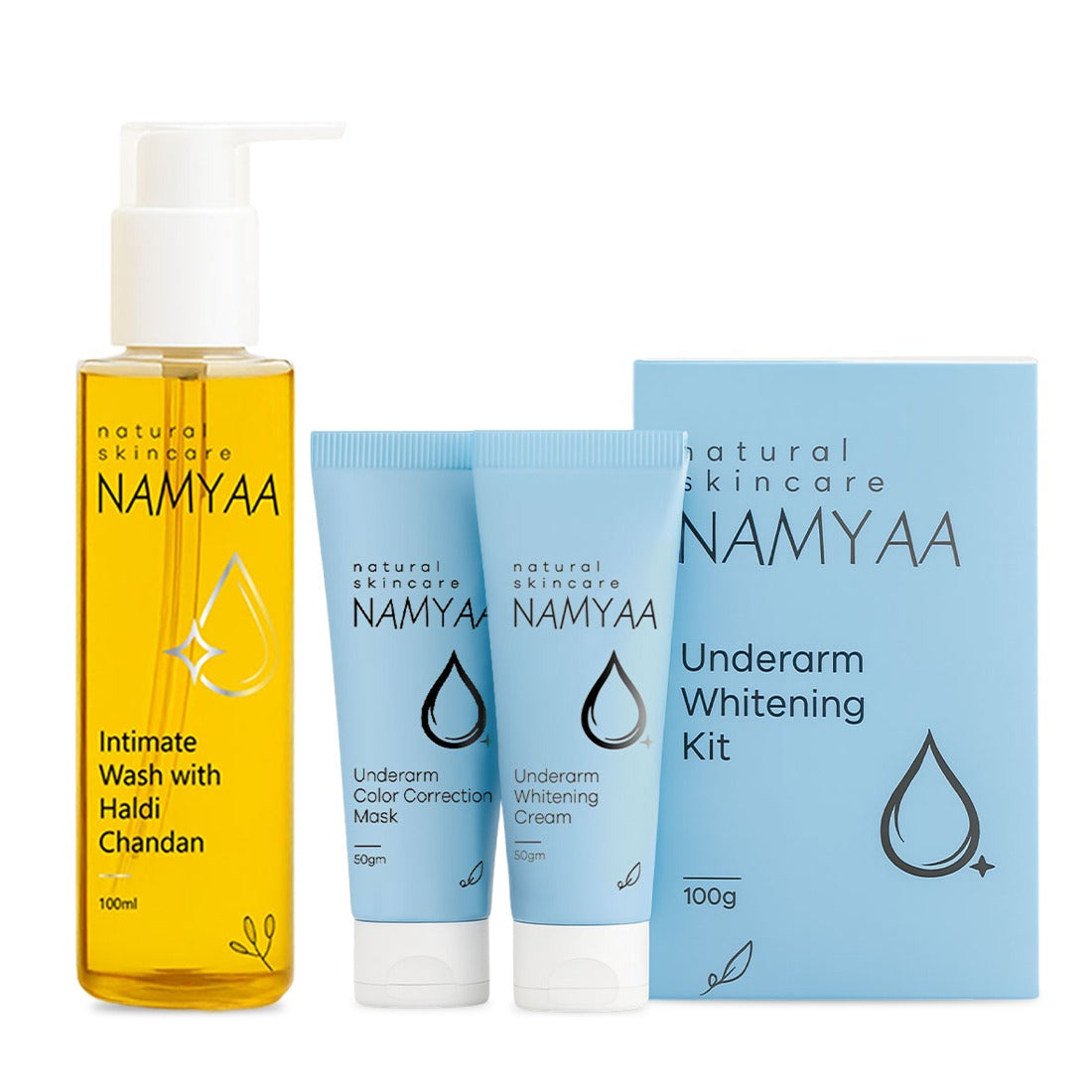
Q: What is the most common cause of dark underarms?
A: Friction and shaving irritation are the most common causes of dark underarms.
Q: Can deodorant cause dark underarms?
A: Yes, deodorants containing alcohol or irritants may trigger pigmentation in sensitive skin.
Q: How to use underarm roll on correctly?
A: Cleanse underarms first, pat dry, apply a thin layer of underarm roll on, and allow it to absorb before dressing.
Q: Can I use underarm roll on every day?
A: Start with once daily in the evening and increase to morning and evening if your skin tolerates it.
Q: Can I use underarm roll on after shaving?
A: Wait at least 24 hours after shaving to avoid sensitivity before applying.
Q: What is the difference between roll-on and deodorant?
A: Roll-ons are a format of deodorant applied using a rolling ball applicator, while deodorant refers to products designed to control body odour caused by bacteria on the skin.
Q: Is roll-on better than spray deodorant?
A: Some people prefer roll-ons because they provide more targeted application and spread evenly on the skin compared to spray deodorants.
Q: Do antiperspirants stop sweating?
A: Antiperspirants help reduce sweating by temporarily blocking sweat ducts in the underarm area.
Q: Are antiperspirants safe for daily use?
A: Most antiperspirants are designed for regular use. However, individuals with sensitive skin may prefer milder alternatives or deodorants that focus on odour control.
Q: Can roll-ons help with underarm odour?
A: Yes, roll-ons can help control underarm odour by addressing bacteria that cause body smell and by providing long-lasting freshness.
Q: How often should you apply roll-on deodorant?
A: Most roll-on deodorants are designed for daily use after bathing to help maintain freshness throughout the day.
Q: How long to lighten underarms naturally?
A: Natural remedies may take 6–12 weeks or longer, depending on consistency and severity.
Q: Why are my underarms still dark after using products?
A: This may be due to inconsistent use, incorrect routine, or unresolved causes like friction and ingrown hair.
Q: Can shaving cause dark underarms?
A: Yes, frequent shaving can cause irritation and micro-abrasions, leading to pigmentation.
Q: Do chemical exfoliants help underarm brightening?
A: Yes, AHA/BHA exfoliants help remove dead skin buildup and improve skin tone gradually.
Q: Can underarm darkening go away completely?
A: It can improve significantly, but ongoing maintenance is required.
Q: Is underarm brightening safe for sensitive skin?
A: Yes, but use gentle formulations, avoid over-exfoliation, and always patch test.
Q: What is the best underarm care routine?
A: A routine including gentle shaving, controlled exfoliation, and daily moisturization works best.
Q: Can I exfoliate underarms daily?
A: No, over-exfoliation can cause irritation and worsen pigmentation.
Q: How do I prevent dark underarms after shaving?
A: Use proper shaving technique, avoid dry shaving, and apply soothing products after.
Q: Is roll-on better than deodorant?
A: Roll-ons are generally gentler and can include skin-benefiting ingredients.
Q: How long does it take to lighten underarms?
A: Results typically start appearing within 3–6 weeks with consistent care.
Q: Can shaving cause dark underarms?
A: Improper shaving can lead to irritation and pigmentation over time.
Q: Why do my underarms smell even after showering?
A: Due to bacteria, dead skin buildup, or damp skin post-shower.
Q: Is sweat itself smelly?
A: No, odour occurs when bacteria break it down.
Q: How can I stop underarm odour permanently?
A: You can’t completely stop sweat, but consistent hygiene, exfoliation, and targeted products help control odour long-term.
Q: Can shaving increase underarm odour?
A: Improper shaving can cause irritation and ingrown hair, which may worsen odour.
Q: How often should I exfoliate underarms?
A: 2–3 times per week.
Q: Do deodorants actually work?
A: They mask odour temporarily. Long-term control requires addressing bacteria and skin health.
Q: Can underarm odour cause darkening?
A: Indirectly—buildup and friction contribute to pigmentation.
Q: Which areas are most affected by body odour?
A: Underarms, bikini line, and areas with sweat folds like inner thighs.